
Troubleshooting first
Phoenix starts with the actual symptom you are seeing, so the visit stays focused on diagnosis instead of generic part swapping.
Phoenix handles gas fireplace repair in Red Deer for homeowners who need the problem diagnosed properly, the safety side checked seriously, and the next step explained clearly.
Pilot lights that will not stay lit
Ignition systems that click without firing
Weak flame, soot, or dirty burner performance
Annual maintenance before heavy winter use
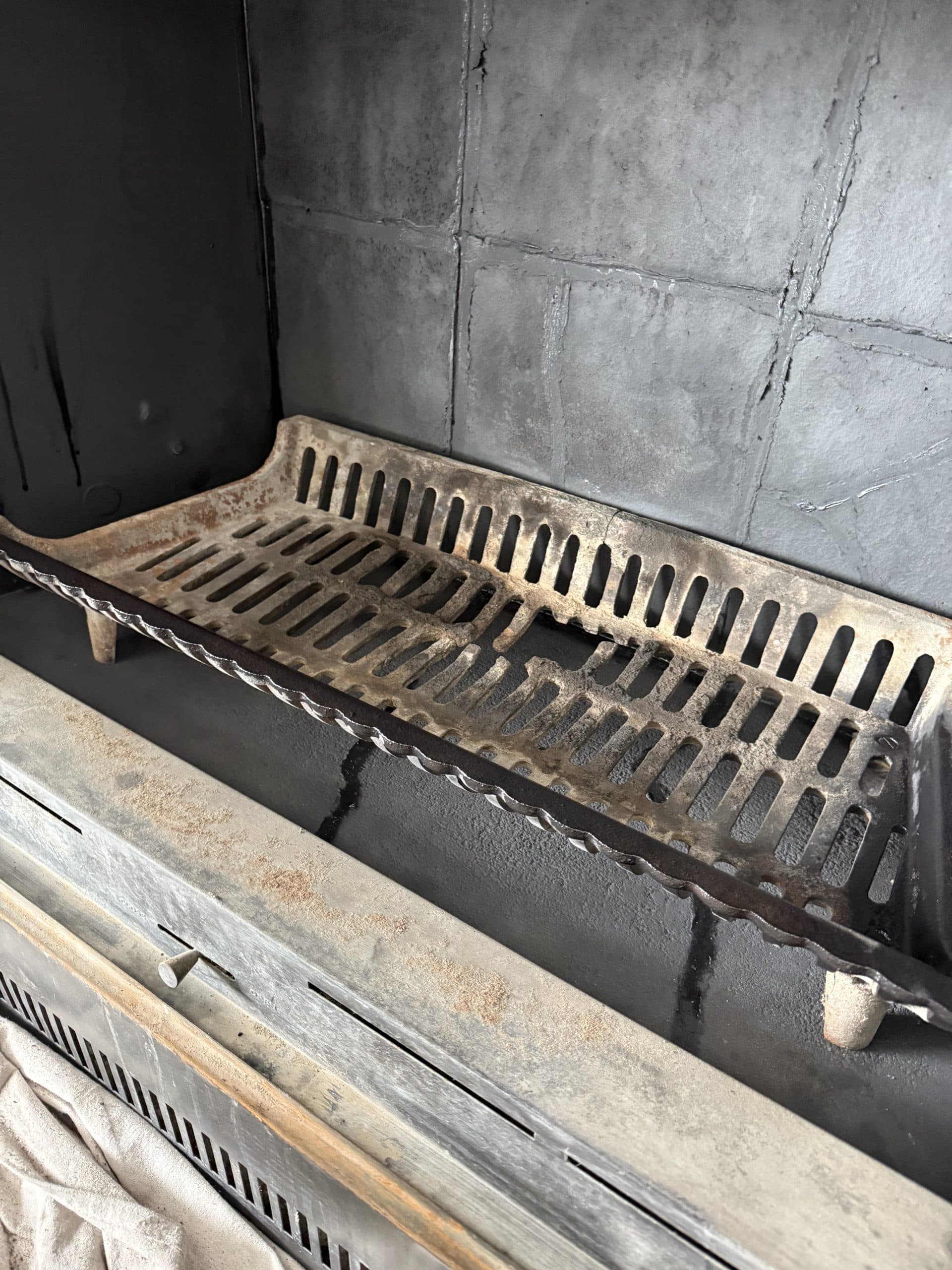
What a repair visit covers
The goal is not to guess. The goal is to pinpoint the issue, test safely, and move the homeowner toward a reliable fix.
The most common service calls involve pilot problems, ignition failure, low flame output, dirty burners, worn components, and fireplaces that have not been maintained before heavy seasonal use.
Phoenix starts with the actual symptom you are seeing, so the visit stays focused on diagnosis instead of generic part swapping.
Each visit checks core operating and combustion concerns so the repair path is grounded in safe performance, not just whether the fireplace turns on once.
If a component has failed or maintenance has been skipped too long, Phoenix explains the next step in plain language so the homeowner can make the decision quickly.
Gas fireplace repair FAQs
These are the practical questions that usually come up before a repair, troubleshooting, or combined inspection visit is booked.
Yes. Phoenix handles gas fireplace repair in Red Deer, including pilot issues, ignition failures, weak flame performance, dirty components, and overdue maintenance concerns.
Yes. If a property in Red Deer needs both troubleshooting and formal documentation, Phoenix can guide you into the right service flow instead of sending you to separate contractors first.
Common warning signs include a fireplace that will not ignite, delayed startup, soot, unusual odors, poor draft, visible chimney wear, or a system that has gone too long without service.
Yes. Phoenix serves Red Deer plus nearby communities within roughly 100 kilometres, subject to scheduling and service type.